 2 hours ago
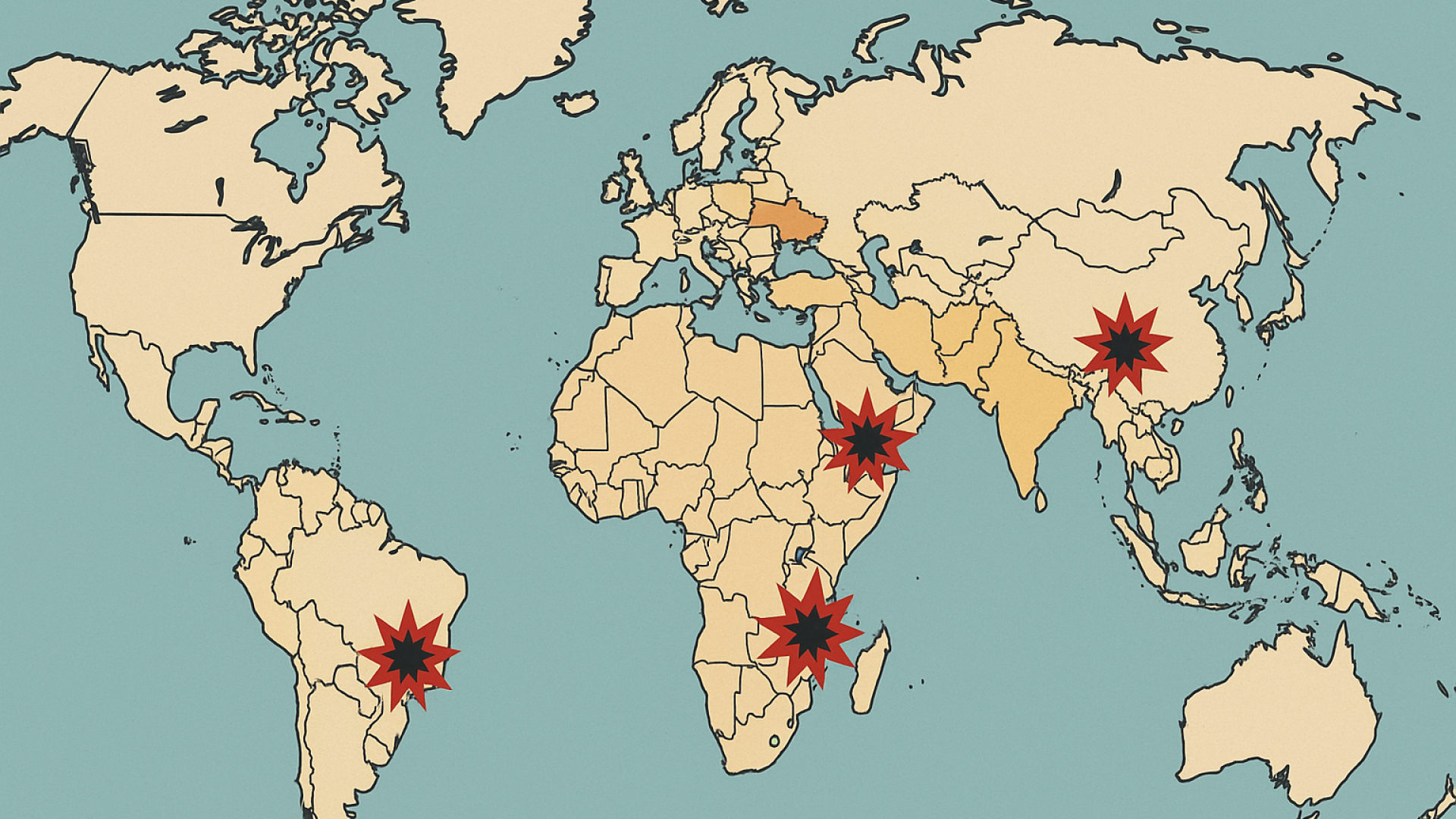
As the world steps into the third month of 2026, geopolitical tensions have escalated sharply, particularly in the Middle East and Eastern Europe. The ongoing conflict in the Middle East has intensified, while Russian forces have launched a significant spring offensive in Eastern Ukraine. These developments have not only heightened regional instability but also raised alarms across the international community about the potential for broader conflict and the implications for global security.
Context: A Volatile Geopolitical Landscape
The Middle East has long been a hotspot for conflict due to its complex political, religious, and ethnic dynamics. In early 2026, the region has seen renewed violence, with clashes between various factions and states exacerbating an already fragile situation. Concurrently, Eastern Europe remains tense as Russia continues its military operations in Ukraine, aiming to consolidate control over contested territories amid ongoing resistance and international condemnation.
These simultaneous conflicts are unfolding against a backdrop of shifting alliances, economic pressures, and global power recalibrations. The involvement of external actors, including Iran's alleged support for proxy groups in the Middle East and Western nations' backing of Ukraine, further complicates the situation. Additionally, the global economy is feeling the strain as energy markets react to instability in key regions, and diplomatic efforts face increasing hurdles amid rising nationalist sentiments and geopolitical rivalries.
Core Developments: Middle East Conflict and Russian Offensive
Middle East Conflict Intensifies
In March 2026, the Middle East conflict has escalated with increased hostilities between state and non-state actors. Reports indicate a surge in cross-border attacks, airstrikes, and ground engagements, particularly in hotspots such as Syria, Lebanon, and the Gaza Strip. The conflict has resulted in significant civilian casualties and displacement, exacerbating humanitarian crises in the region. Hospitals and infrastructure have been severely damaged, complicating relief efforts and deepening the suffering of affected populations.
One of the critical flashpoints has been the involvement of Iran-backed militias, which have reportedly increased their operational capabilities and territorial control. This has prompted responses from regional powers and international coalitions aiming to curb Iran's influence and restore stability. The proxy nature of these confrontations has made direct negotiations challenging, as various factions pursue divergent objectives, often influenced by external sponsors. The risk of spillover into neighboring countries remains high, raising fears of a wider regional conflagration.
Russian Spring Offensive in Eastern Ukraine
Simultaneously, Russian forces have launched a major spring offensive in Eastern Ukraine, targeting key strategic locations. This offensive marks one of the most intense phases of the conflict since its inception, with heavy fighting reported around cities such as Donetsk and Luhansk. The use of advanced weaponry and increased troop deployments has led to significant destruction and displacement of civilians, further straining Ukraine's military and humanitarian resources.
Ukrainian President Volodymyr Zelensky has expressed deep concern over the offensive, highlighting the risks of escalation and the potential spillover effects on neighboring countries. The offensive has also drawn sharp criticism from Western governments, which have reiterated their support for Ukraine through military aid and diplomatic pressure on Russia. NATO member states have increased their readiness levels, fearing that the conflict could destabilize the broader European security environment. Meanwhile, diplomatic channels remain strained, with limited progress toward ceasefire agreements.
Implications and Challenges
The escalation in both regions poses significant challenges for international peace and security. The Middle East conflict threatens to destabilize an already volatile region, potentially disrupting global energy supplies and exacerbating refugee flows. The humanitarian situation demands urgent attention, with calls for increased aid and diplomatic efforts to broker ceasefires. The displacement of millions has created a pressing need for international cooperation to provide shelter, food, and medical care, while also addressing the root causes of the conflict to prevent further deterioration.
In Eastern Europe, the Russian offensive risks prolonging the conflict, undermining efforts for a negotiated settlement. The fighting has strained relations between Russia and Western countries, contributing to a renewed atmosphere of Cold War-style tensions. The conflict also raises concerns about the security of NATO member states bordering Ukraine and the broader European security architecture. Economic sanctions against Russia have intensified, impacting global markets and prompting debates about energy independence and security among European nations.
Potential Solutions and International Responses
Addressing these complex conflicts requires multifaceted approaches involving diplomacy, economic measures, and humanitarian assistance. In the Middle East, renewed dialogue among regional powers, supported by international mediators, could pave the way for de-escalation. Efforts to address underlying grievances and promote inclusive governance are essential for long-term stability. Confidence-building measures, such as prisoner exchanges and localized ceasefires, have been proposed to reduce immediate tensions and create space for broader negotiations.
Regarding Ukraine, sustained diplomatic engagement is critical to halt the offensive and seek a peaceful resolution. Continued support for Ukraine's sovereignty and territorial integrity remains a priority for many countries, alongside efforts to engage Russia in constructive dialogue. Confidence-building measures and conflict de-escalation mechanisms could help reduce hostilities. Proposals for international peacekeeping missions and enhanced monitoring of ceasefire agreements are under consideration to ensure compliance and protect civilians.
Additionally, international organizations such as the United Nations and regional bodies have a vital role in coordinating humanitarian aid and monitoring ceasefire agreements. Strengthening sanctions regimes and accountability mechanisms may also deter further aggression. Human rights organizations continue to document violations, advocating for justice and accountability to prevent impunity and promote reconciliation.
Conclusion: Navigating a Precarious Future
The developments in March 2026 underscore the fragility of global peace and the interconnectedness of regional conflicts. The intensification of violence in the Middle East and Eastern Ukraine demands urgent and coordinated international action to prevent further deterioration. While challenges abound, there remains hope that diplomatic efforts, combined with strategic support and humanitarian initiatives, can pave the way toward stability and peace.
As the international community watches closely, the coming months will be critical in shaping the trajectory of these conflicts and their broader implications for global security and cooperation. The path forward requires sustained commitment, innovative diplomacy, and a recognition of the complex realities on the ground to build a more secure and peaceful world.