 1 hour ago
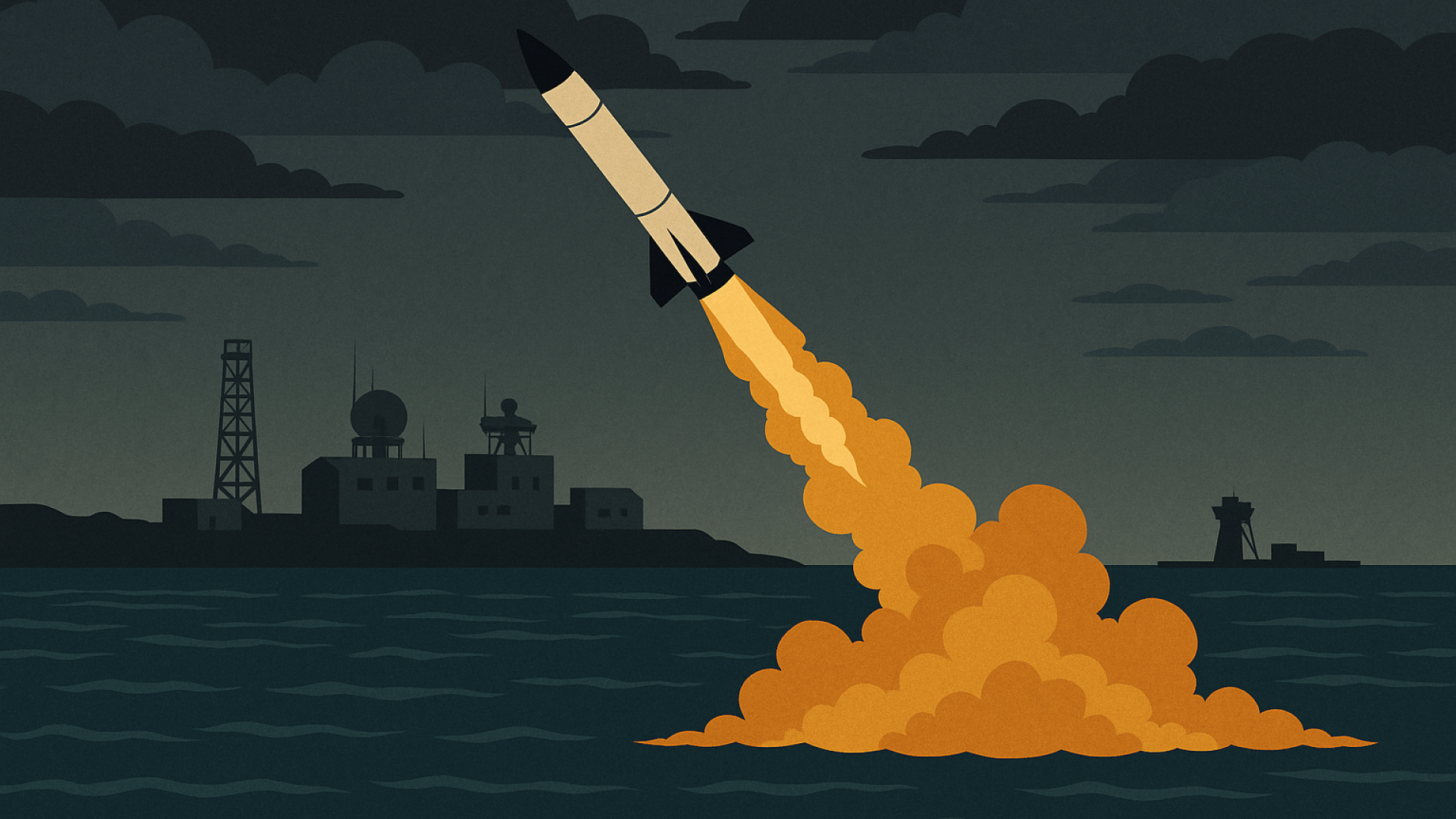
On March 22, 2026, reports emerged of a missile attack launched by Iran targeting a US-UK military base located in the Indian Ocean. This development has sent shockwaves through international diplomatic and security circles, underscoring the fragile state of global peace and the increasing volatility in the Middle East and its surrounding regions. The incident not only highlights Iran's growing military capabilities but also signals a potential shift in the strategic balance within a region critical to global commerce and security.
Context: Rising Regional Tensions and Strategic Posturing
Over the past decade, the geopolitical landscape of the Middle East and adjacent maritime zones has been marked by a series of confrontations, proxy conflicts, and strategic maneuvers involving Iran, the United States, the United Kingdom, and their respective allies. Iran’s missile capabilities have been a focal point of concern for Western powers, particularly given Tehran’s ambitions to assert influence across the Gulf, Arabian Sea, and Indian Ocean corridors. These ambitions are driven by a desire to secure strategic depth, protect vital shipping lanes, and counterbalance the military presence of Western and regional adversaries.
The Indian Ocean, a critical artery for global trade and energy shipments, hosts several strategic military installations operated by Western powers. The US-UK military base targeted in this recent strike serves as a pivotal hub for naval operations, intelligence gathering, and regional security enforcement. It supports a range of activities including maritime patrols, anti-piracy missions, and surveillance of potential threats emanating from unstable regions. The attack thus represents not only a direct challenge to Western military presence but also a signal of Iran’s enhanced missile reach and willingness to escalate confrontations beyond its immediate borders, potentially reshaping the security dynamics of the wider Indo-Pacific region.
The Incident: Details of the Missile Strike
According to multiple sources, including regional security analysts and official statements, Iran launched a series of ballistic missiles aimed at the military base during the early hours of March 22. The missiles reportedly originated from coastal launch sites along Iran’s southern shores, demonstrating the country’s ability to project power deep into the Indian Ocean region. This capability reflects years of investment in missile technology, including improvements in range, accuracy, and payload capacity.
Initial assessments indicate that while the base sustained damage, the defensive systems in place were partially effective in intercepting some of the incoming missiles. The base’s layered missile defense architecture, which includes advanced radar systems and interceptor missiles, played a crucial role in mitigating the attack’s impact. Casualty reports remain unconfirmed, with military officials withholding detailed information pending further investigation. However, the psychological and strategic effects of the strike have already heightened alert levels among allied forces and prompted immediate diplomatic responses from governments around the world.
Underlying Causes: Geopolitical and Strategic Motivations
The missile strike cannot be viewed in isolation but rather as part of a broader pattern of escalating tensions between Iran and Western powers. Several factors contribute to this volatile environment:
- Sanctions and Economic Pressures: Ongoing economic sanctions imposed on Iran have intensified domestic pressures, prompting Tehran to adopt more assertive foreign policies to demonstrate strength and resilience. These sanctions have targeted Iran’s energy sector, financial institutions, and military programs, severely impacting its economy and fueling nationalist sentiments.
- Regional Proxy Conflicts: Iran’s involvement in proxy wars across the Middle East, including in Yemen, Syria, and Iraq, has drawn it into direct and indirect confrontations with US and UK interests. By supporting allied militias and political factions, Iran seeks to expand its influence and counterbalance rival powers, often leading to heightened tensions and sporadic clashes.
- Military Modernization: Iran’s investment in missile technology and naval capabilities aims to counterbalance Western military superiority and secure strategic maritime routes. The development of longer-range ballistic missiles, anti-ship cruise missiles, and asymmetric naval tactics enhances Tehran’s ability to threaten key maritime chokepoints such as the Strait of Hormuz and extend its reach into the Indian Ocean.
- Diplomatic Stalemates: The failure of recent diplomatic efforts to revive nuclear agreements and ease tensions has left military options more prominent in Tehran’s strategic calculus. The collapse of talks has hardened positions on both sides, reducing trust and increasing the likelihood of confrontational actions as a means of signaling resolve.
Global Implications: Security, Diplomacy, and Economic Impact
The missile attack carries significant implications beyond the immediate region. The Indian Ocean is a vital conduit for global commerce, including the transport of oil and gas supplies critical to the world economy. Approximately one-third of the world’s maritime trade passes through this region, making its security paramount to global economic stability. Any disruption or perceived threat to security in this area can trigger ripple effects across international markets and diplomatic relations, potentially leading to increased insurance costs, rerouting of shipping lanes, and volatility in energy prices.
From a security perspective, the strike underscores the need for enhanced missile defense systems and intelligence sharing among allied nations. It also raises concerns about the potential for further escalation, including retaliatory strikes or expanded conflict zones. The incident may prompt a reassessment of military deployments and force postures in the region, with increased emphasis on rapid response capabilities and joint exercises to deter future aggression.
Diplomatically, the incident complicates efforts to engage Iran in constructive dialogue. Western governments face the challenge of balancing deterrence with the pursuit of diplomatic solutions to prevent a broader conflict. The attack may harden positions on both sides, reducing the likelihood of immediate negotiations and increasing the risk of miscalculations. It also places pressure on regional actors and international organizations to mediate and de-escalate tensions before they spiral out of control.
Potential Solutions and Pathways Forward
Addressing the crisis requires a multifaceted approach that combines military preparedness, diplomatic engagement, and regional cooperation:
- Strengthening Defense Postures: Enhancing missile defense capabilities and rapid response mechanisms at vulnerable bases can mitigate the risk of future attacks. This includes investing in advanced radar systems, interceptor missiles, and cyber defense to protect critical infrastructure.
- Renewed Diplomatic Initiatives: International actors, including the United Nations and regional organizations, should intensify efforts to bring Iran and Western powers back to the negotiating table, focusing on nuclear non-proliferation and regional security frameworks. Confidence-building measures and incremental agreements could pave the way for more comprehensive accords.
- Economic Incentives and Sanctions Relief: Carefully calibrated economic measures could provide incentives for Iran to de-escalate tensions while maintaining pressure to comply with international norms. This approach requires balancing sanctions relief with verification mechanisms to ensure compliance.
- Regional Security Dialogues: Encouraging dialogue among Gulf states, Iran, and external powers can help build confidence and reduce the risk of miscalculations leading to conflict. Multilateral forums focused on maritime security, counterterrorism, and crisis management could foster cooperation and transparency.
Conclusion: Navigating a Precarious Future
The missile attack on the US-UK military base in the Indian Ocean is a stark reminder of the persistent volatility in global geopolitics and the complex challenges posed by Iran’s strategic ambitions. While the immediate consequences are still unfolding, the incident highlights the urgent need for comprehensive strategies that address security concerns while fostering diplomatic solutions. The international community must carefully navigate the delicate balance between deterrence and engagement to prevent further escalation.
As the international community watches closely, the coming weeks will be critical in determining whether this event marks a dangerous escalation or a catalyst for renewed dialogue. The balance between deterrence and diplomacy will shape the trajectory of regional stability and global peace in the years ahead. Ultimately, sustained efforts toward dialogue, mutual understanding, and conflict resolution remain essential to ensuring long-term security and prosperity in this strategically vital region.