 6 hours ago
Introduction
As of March 2026, the conflict in Iran remains a critical flashpoint with far-reaching consequences for global politics, economics, and security. The tensions, which have escalated over recent years, involve a complex interplay of regional rivalries, international interests, and internal dynamics within Iran. This article provides an in-depth analysis of the conflict's background, current status, and the broader implications for the international community, while exploring potential solutions and the challenges ahead.
Context: Origins and Evolution of the Iran Conflict
The roots of the current conflict trace back to longstanding geopolitical tensions in the Middle East, compounded by Iran's nuclear ambitions, regional proxy engagements, and strained relations with Western powers. Over the past decade, Iran's involvement in regional conflicts, including in Syria, Iraq, and Yemen, has heightened suspicions and hostility from neighboring countries and global powers alike. These engagements have often been viewed through the prism of a broader struggle for influence between Iran and its regional rivals, particularly Saudi Arabia and Israel, as well as the United States.
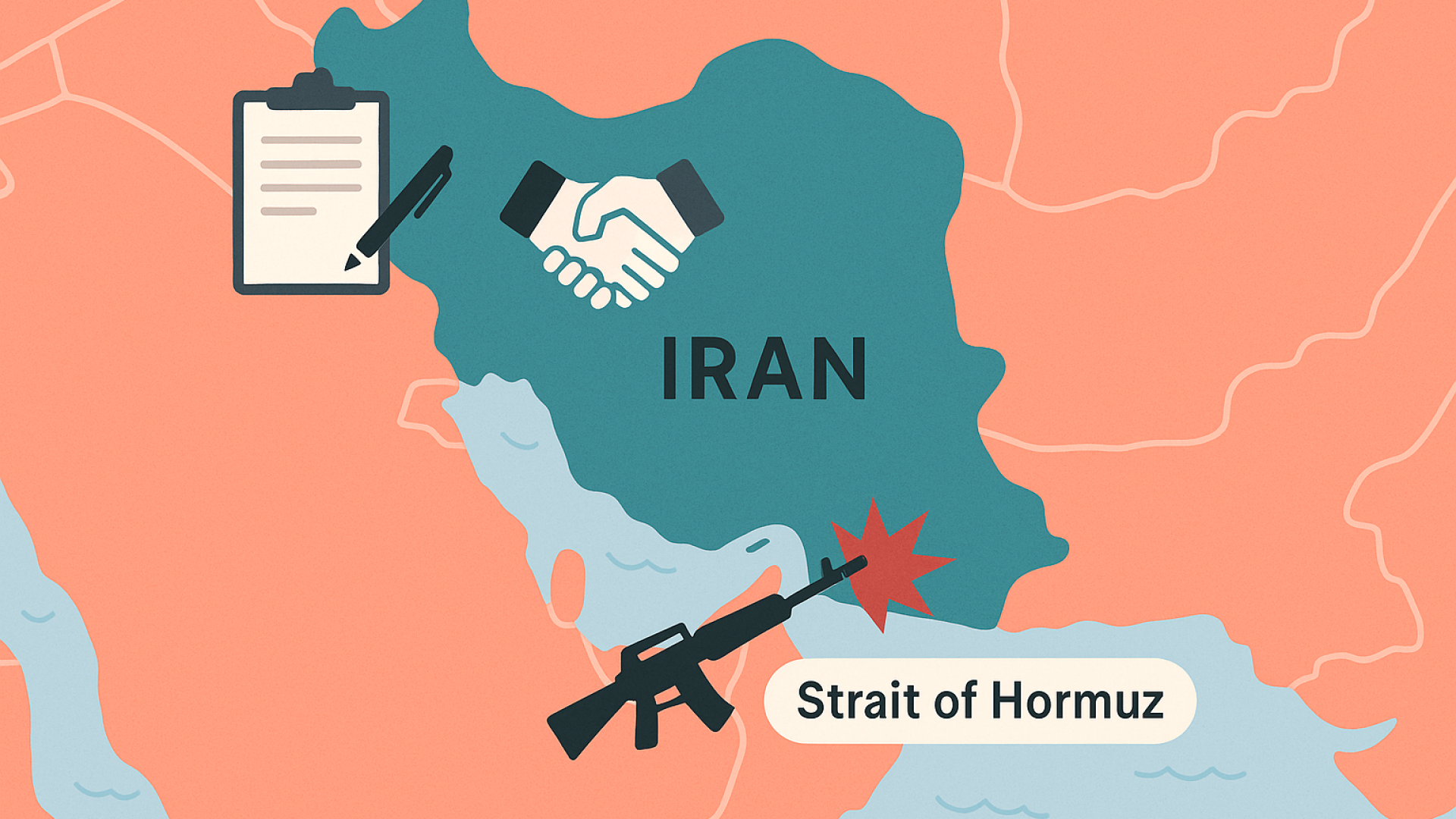
In 2025, a series of escalations marked a turning point in the conflict. Renewed sanctions targeting key sectors of Iran's economy, military skirmishes near the strategically vital Strait of Hormuz, and a surge in cyberattacks attributed to Iranian actors intensified the crisis. The Strait of Hormuz, a vital artery for global oil shipments, became a focal point of vulnerability, with disruptions threatening energy markets worldwide and raising fears of a broader regional conflagration. These developments underscored the fragility of the current status quo and the potential for rapid escalation.
Core Issues Driving the Conflict
- Geopolitical Rivalries: Iran's strategic competition with Saudi Arabia and Israel fuels proxy conflicts and heightens regional instability. Both Riyadh and Tel Aviv view Iran's expanding influence with alarm, leading to a series of indirect confrontations through allied militias and political factions across the Middle East.
- Nuclear Program: Iran's nuclear development remains a contentious issue, with international efforts to curb its progress facing setbacks. Despite previous agreements such as the Joint Comprehensive Plan of Action (JCPOA), Iran has resumed certain nuclear activities, citing the need for peaceful energy development and national security. This has led to renewed tensions with Western powers and calls for stricter inspections and limitations.
- Economic Sanctions: Sanctions imposed by the US and its allies have crippled Iran's economy, exacerbating domestic unrest and complicating diplomatic efforts. The sanctions target vital sectors such as oil exports, banking, and technology, severely limiting Iran's ability to engage in global trade and finance. These measures have contributed to inflation, unemployment, and social dissatisfaction within Iran, fueling protests and political instability.
- Internal Political Dynamics: Factionalism within Iran's political landscape influences its foreign policy and willingness to negotiate. Hardliners, moderates, and reformists vie for influence, with differing views on engagement with the West and regional strategy. This internal complexity often results in inconsistent policies and challenges in reaching consensus on critical issues.
Global Implications
The Iran conflict's ramifications extend well beyond the Middle East. Key global concerns include:
- Energy Security: The Strait of Hormuz is a critical chokepoint through which approximately 20% of the world's petroleum passes. Any disruption threatens to spike global oil prices and destabilize markets, affecting economies worldwide. Countries heavily reliant on Middle Eastern oil, including major consumers in Asia, Europe, and North America, closely monitor developments to anticipate supply shocks.
- International Diplomacy: The conflict complicates relations among major powers, including the US, China, Russia, and the European Union, each with vested interests in the region. The US maintains a strong military presence and strategic alliances, while China and Russia seek to expand their influence through economic partnerships and arms sales. These competing interests create a complex diplomatic environment, often hindering unified responses to the crisis.
- Military Escalation Risks: The potential for direct confrontation between Iran and Western or regional forces remains high, raising fears of a broader war. Incidents such as naval clashes, drone strikes, and missile attacks have increased in frequency, heightening the risk of miscalculation. The presence of multiple armed actors and proxy groups further complicates the security landscape.
- Humanitarian Concerns: The conflict has led to significant civilian suffering, displacement, and human rights violations within Iran and neighboring countries. Economic hardship, political repression, and violence have contributed to a deteriorating humanitarian situation. Refugee flows and cross-border tensions add to regional instability and strain international aid efforts.
Potential Pathways to Resolution
Addressing the Iran conflict requires multifaceted strategies that balance security concerns, diplomatic engagement, and economic incentives. Possible approaches include:
- Renewed Diplomatic Negotiations: Reviving talks similar to the Joint Comprehensive Plan of Action (JCPOA) with enhanced verification mechanisms could reduce nuclear tensions. Such negotiations would need to address mutual concerns, build trust, and include robust monitoring to ensure compliance. Engaging a broader coalition of stakeholders, including regional actors, may enhance the prospects for a durable agreement.
- Regional Security Frameworks: Establishing inclusive security dialogues involving Iran, Gulf states, and international actors may help de-escalate proxy conflicts. Confidence-building measures, joint security initiatives, and mechanisms for conflict resolution could foster cooperation and reduce the likelihood of armed confrontations.
- Economic Engagement: Gradual easing of sanctions tied to verifiable compliance could incentivize Iran to adopt more cooperative policies. Economic integration and development opportunities may encourage moderation and reform within Iran, while providing tangible benefits to its population.
- Conflict De-escalation Measures: Confidence-building steps such as mutual military transparency, communication channels, and crisis management protocols could prevent accidental escalations. Establishing hotlines and regular dialogues between military and political leaders can reduce misunderstandings and manage incidents effectively.
Challenges to Peace
Despite these potential solutions, significant obstacles remain. Distrust between parties, domestic political pressures, and competing international agendas complicate efforts. Iran's hardline factions often resist concessions perceived as compromising sovereignty, while some regional rivals remain skeptical of Iran's intentions. Similarly, external powers may prioritize strategic competition over cooperation, limiting diplomatic flexibility.
Moreover, extremist groups and hardliners on all sides may seek to undermine peace initiatives through violence or propaganda. These actors exploit instability to advance their agendas, posing threats to both negotiation processes and civilian populations.
Additionally, the broader geopolitical landscape, including the intensifying US-China rivalry and Russia's strategic maneuvers in the Middle East, influences the conflict's trajectory. These global power dynamics can either facilitate or hinder conflict resolution, depending on how they align with regional interests and diplomatic efforts. The international community must navigate these complexities carefully to avoid unintended consequences and foster a conducive environment for peace.
Conclusion
The Iran conflict in 2026 stands as a defining challenge for global diplomacy and security. Its resolution is critical not only for regional stability but also for the broader international order. While the path forward is fraught with difficulties, sustained diplomatic efforts, combined with pragmatic engagement and multilateral cooperation, offer the best hope for a peaceful and stable future.
As the world watches closely, the coming months will be pivotal in determining whether the conflict escalates further or moves toward a constructive resolution. Stakeholders must prioritize dialogue, restraint, and mutual understanding to navigate this complex crisis effectively. Only through concerted and coordinated action can the cycle of conflict be broken, paving the way for lasting peace and prosperity in Iran and the wider Middle East.