 7 months ago
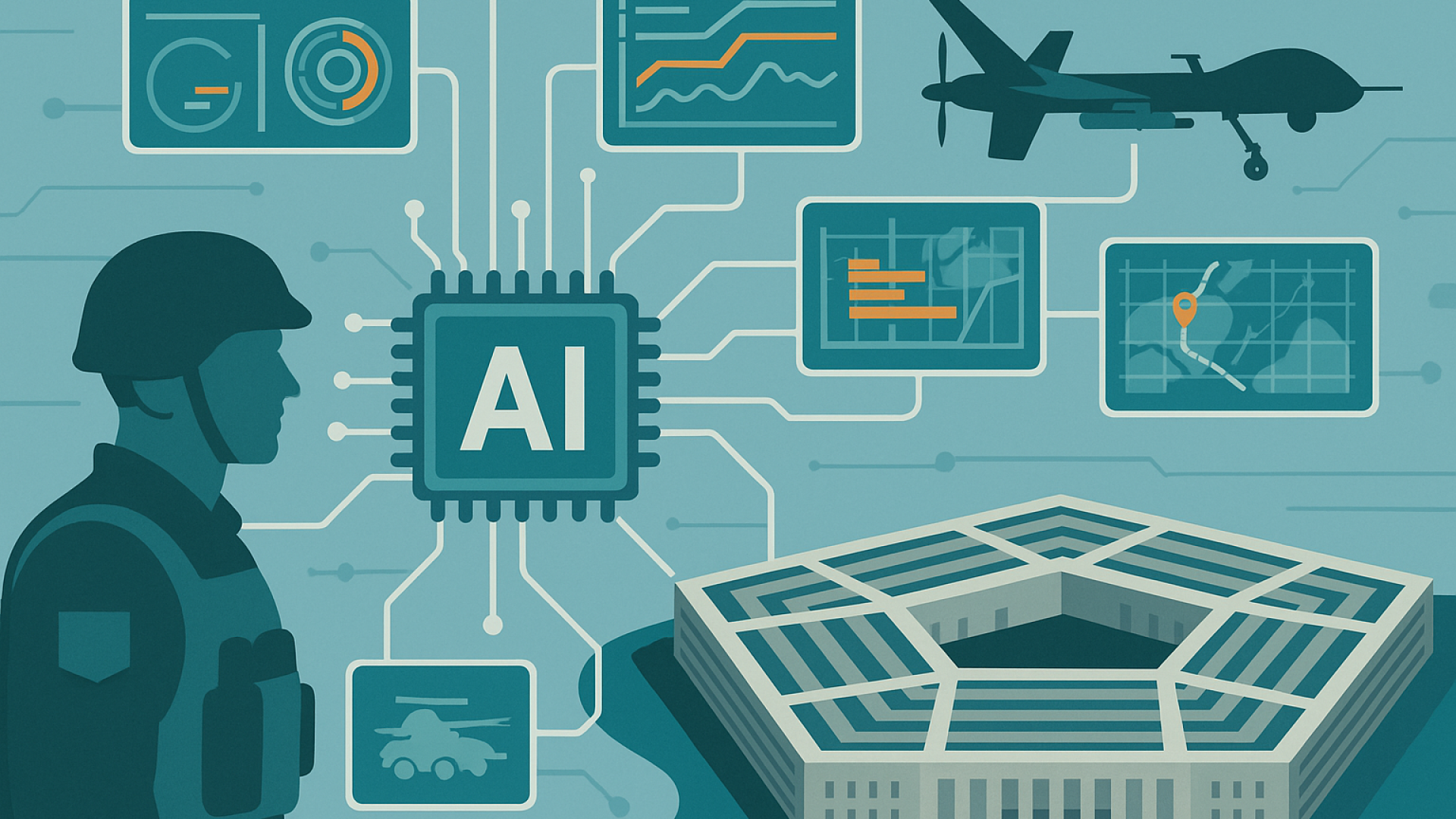
On March 21, 2026, the Pentagon officially announced its plan to adopt Palantir's artificial intelligence platform as the core system for U.S. military operations. This landmark decision signals a transformative moment in defense technology, with far-reaching implications for national security, international relations, and the future of warfare. The integration of Palantir AI is expected to revolutionize how the U.S. military processes information, conducts operations, and responds to emerging threats in an increasingly complex global environment.
Context: The Rise of AI in Military Strategy
Artificial intelligence has steadily become a cornerstone of modern military capabilities worldwide. Over the past decade, AI technologies have evolved from experimental tools to essential components in intelligence analysis, autonomous systems, and battlefield decision-making. Governments and defense agencies have invested heavily in AI research and development to maintain strategic advantages and to keep pace with rapid technological advancements. The military applications of AI now encompass a wide range of functions, including surveillance, reconnaissance, logistics, cyber defense, and even direct combat roles.
Palantir Technologies, renowned for its advanced data integration and analytics platforms, has been a key player in this domain. Its AI systems enable the synthesis of vast and disparate data sources, providing actionable insights in real-time. The Pentagon's move to integrate Palantir AI as its core system reflects confidence in the platform's ability to enhance operational effectiveness and decision superiority. This decision also underscores the growing recognition that data-driven intelligence and AI-powered analytics are critical to maintaining battlefield dominance in the 21st century.
Core Features and Capabilities of Palantir AI
Palantir AI offers a comprehensive suite of capabilities tailored specifically for complex military environments, designed to address the multifaceted challenges faced by modern armed forces:
- Data Fusion: Palantir AI integrates intelligence from a wide array of sources, including satellites, drones, human intelligence, cyber networks, and open-source data, into a unified operational picture. This fusion of data enables commanders to gain a holistic understanding of the battlefield, reducing information silos and enhancing situational awareness.
- Predictive Analytics: Utilizing advanced machine learning algorithms, Palantir AI forecasts enemy movements, potential supply chain disruptions, and emerging threats. These predictive capabilities allow military planners to anticipate adversary actions and adjust strategies proactively, thereby increasing the likelihood of mission success.
- Autonomous Coordination: The platform supports command and control of unmanned systems, including drones and autonomous vehicles, facilitating rapid response and adaptive tactics. This autonomous coordination reduces the cognitive load on human operators and enables more efficient deployment of resources in dynamic combat scenarios.
- Cybersecurity Integration: Palantir AI enhances defense against cyberattacks by continuously monitoring network activity, detecting anomalies, and coordinating countermeasures in real-time. Given the increasing prevalence of cyber warfare, this feature is critical for protecting military infrastructure and maintaining operational integrity.
Collectively, these features improve situational awareness, reduce decision latency, and increase the precision and effectiveness of military actions. The platform's ability to process and analyze enormous volumes of data in real-time provides commanders with a decisive edge in fast-moving and complex operational theaters.
Implications for U.S. Military and Global Security
The adoption of Palantir AI as a core system is expected to reshape U.S. military operations in several profound ways:
- Enhanced Operational Efficiency: Streamlined data processing and AI-driven insights will enable commanders at all levels to make faster, more informed decisions. This efficiency is crucial in modern warfare, where the speed of information processing can determine the outcome of engagements.
- Force Multiplication: AI integration will augment human capabilities, allowing smaller units to achieve greater impact through improved coordination, precision targeting, and adaptive tactics. This force multiplication effect can reduce the need for large troop deployments while maintaining operational effectiveness.
- Strategic Deterrence: Demonstrating advanced AI capabilities may deter adversaries by signaling technological superiority and readiness. The integration of Palantir AI sends a clear message that the U.S. military is prepared to leverage cutting-edge technology to maintain its strategic edge.
- Ethical and Legal Considerations: The use of AI in military contexts raises complex questions about accountability, transparency, and compliance with international law. Issues such as the delegation of lethal decision-making to autonomous systems, data privacy, and the potential for unintended escalation require careful oversight and regulation.
On the international stage, this move is likely to accelerate AI arms races, prompting other nations to develop or acquire similar technologies to avoid strategic disadvantages. It also highlights the urgent need for establishing global norms, treaties, and agreements governing the use of AI in warfare to prevent destabilization and unintended conflicts.
Broader Global Developments in March 2026
The Pentagon's announcement comes amid a complex global landscape marked by rapid technological advances, shifting geopolitical alliances, and ongoing security challenges. Several key concurrent developments provide important context for this decision:
- Geopolitical Tensions: Rising conflicts and rivalries in regions such as Eastern Europe, the Indo-Pacific, and the Middle East have increased the demand for advanced military technologies capable of providing decisive advantages.
- Technological Innovation: Breakthroughs in AI, quantum computing, cyber defense, and autonomous systems are reshaping defense strategies worldwide. Nations are racing to integrate these technologies into their military doctrines to maintain relevance and deterrence capabilities.
- Health and Security Challenges: Global health crises, such as pandemics, and transnational threats like terrorism and climate-induced instability continue to influence military priorities and resource allocation, emphasizing the need for adaptable and resilient defense systems.
These factors collectively create an environment where AI-driven defense systems like Palantir's are not only advantageous but necessary for maintaining national security and strategic stability.
Challenges and Considerations
Despite its transformative potential, integrating Palantir AI into military operations presents several significant challenges that must be addressed to ensure successful and responsible deployment:
- Data Privacy and Security: Handling sensitive military and intelligence information requires robust safeguards to prevent leaks, unauthorized access, and cyber intrusions. Ensuring the confidentiality and integrity of data is paramount to maintaining operational security.
- System Reliability: Dependence on AI systems necessitates rigorous testing, validation, and redundancy measures to avoid failures in critical situations. Malfunctions or erroneous AI outputs could have catastrophic consequences on the battlefield.
- Human Oversight: Balancing AI autonomy with human control is essential to ensure ethical use and prevent unintended consequences, such as accidental engagements or escalation. Maintaining human judgment in decision-making processes remains a key priority.
- International Regulation: The lack of comprehensive treaties governing AI in warfare complicates accountability and conflict resolution. Without clear international frameworks, the risk of misuse or escalation increases, potentially destabilizing global security.
Addressing these challenges will require close collaboration among military leaders, technologists, policymakers, legal experts, and international organizations to develop effective policies and safeguards.
Potential Solutions and Future Directions
To maximize the benefits of Palantir AI while mitigating associated risks, several strategic approaches can be pursued:
- Robust Ethical Frameworks: Developing clear guidelines and standards for AI deployment in military contexts to ensure compliance with international law, human rights, and ethical principles. These frameworks should address issues such as accountability, transparency, and the limits of autonomous systems.
- Transparency and Accountability: Implementing mechanisms for independent oversight, auditing, and reporting on AI system performance and decision-making processes. Transparency builds trust among military personnel, policymakers, and the public.
- International Cooperation: Engaging in diplomatic efforts to establish global norms, treaties, and agreements on the use of AI in defense. Multilateral cooperation can help prevent arms races, reduce misunderstandings, and promote stability.
- Continuous Innovation: Investing in ongoing research to improve AI robustness, explainability, security, and interoperability. Enhancing the ability of AI systems to provide understandable outputs will aid human operators in making informed decisions.
These approaches will help integrate AI technologies responsibly and sustainably into military operations, ensuring that technological advancements serve strategic and ethical objectives.
Conclusion: Navigating the Future of Military AI
The Pentagon's decision to adopt Palantir AI as its core military system marks a significant milestone in the evolution of defense technology. It reflects broader trends in the increasing reliance on artificial intelligence to enhance national security and operational effectiveness. This integration is poised to transform how military operations are planned and executed, offering unprecedented capabilities in data analysis, decision-making, and autonomous coordination.
However, this advancement also brings complex challenges that require careful management to ensure ethical, legal, and strategic balance. The responsible deployment of AI in military contexts demands robust oversight, international cooperation, and continuous evaluation to mitigate risks and uphold global security norms.
As the global community grapples with the implications of AI in warfare, the coming years will be critical for shaping policies, building trust, and fostering cooperation among nations. The integration of Palantir AI into U.S. military operations is not just a technological upgrade—it is a pivotal moment that will influence the trajectory of international security and the future of conflict for decades to come.