 7 months ago
Introduction
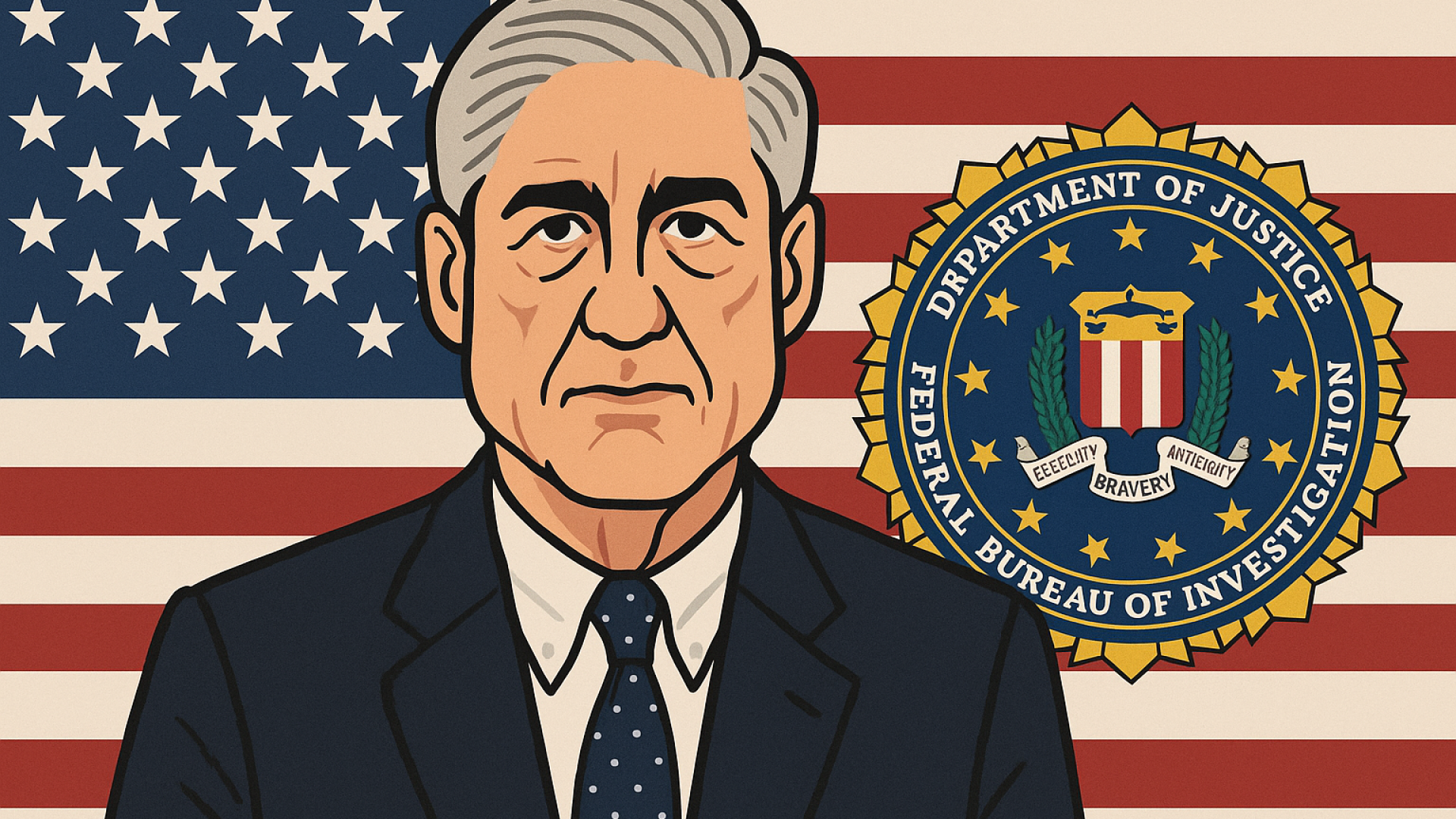
On March 21, 2026, the news of Robert S. Mueller III's passing at the age of 81 reverberated across the United States and beyond. Mueller, a towering figure in American law enforcement and politics, was best known for his tenure as FBI Director and his role as Special Counsel investigating Russian interference in the 2016 U.S. presidential election. His death invites reflection on a career marked by dedication to public service, complex legal challenges, and a lasting impact on the political landscape.
Context: A Career Defined by Service and Integrity
Robert Mueller’s career spanned over four decades, beginning with his service as a Marine Corps officer during the Vietnam War, where he was awarded the Bronze Star for valor. Following his military service, Mueller pursued a legal career, graduating from the University of Virginia School of Law. He quickly established himself as a dedicated federal prosecutor, known for his meticulous approach and unwavering commitment to justice.
In 2001, Mueller was appointed as the sixth Director of the Federal Bureau of Investigation (FBI), a position he held for 12 years, making him one of the longest-serving directors in the agency’s history. His tenure coincided with some of the most challenging periods in modern American history, including the September 11 terrorist attacks. Mueller led the FBI through a transformative era, overseeing significant reforms aimed at enhancing national security, intelligence gathering, and counterterrorism efforts. His leadership helped reshape the bureau into a more agile and intelligence-driven organization.
Mueller was widely respected across political lines for his integrity, professionalism, and steadfast dedication to the rule of law. His reputation as a nonpartisan figure was a cornerstone of his public service, earning him trust in an era often marked by political polarization.
In 2017, Mueller was appointed Special Counsel by the Department of Justice to investigate allegations of Russian interference in the 2016 presidential election and potential links to the Trump campaign. This appointment thrust him back into the national spotlight, placing him at the center of one of the most politically charged investigations in recent American history.
The Mueller Investigation: Complexities and Challenges
The Special Counsel investigation, commonly referred to as the Mueller probe, was tasked with uncovering the scope and impact of foreign interference in the 2016 election, as well as examining any coordination between Russian operatives and members of the Trump campaign. Over nearly two years, Mueller and his team conducted an exhaustive inquiry, reviewing thousands of documents, interviewing hundreds of witnesses, and pursuing numerous leads.
The investigation resulted in charges against multiple individuals, including high-profile figures such as Paul Manafort, Michael Flynn, and Roger Stone, among others. These indictments highlighted various forms of wrongdoing, from financial crimes to obstruction of justice. However, the investigation did not ultimately charge President Donald Trump with any criminal offenses, a decision that sparked widespread debate.
In April 2019, the Mueller report was released, providing a detailed account of Russian efforts to influence the election through social media campaigns, hacking, and other covert operations. The report also examined potential obstruction of justice by the President, outlining several instances where Trump’s actions raised legal and ethical questions. However, the report stopped short of making prosecutorial recommendations regarding the President, citing Department of Justice guidelines that prohibit indicting a sitting president.
This nuanced conclusion ignited intense political and public discourse. Supporters of President Trump dismissed the investigation as a politically motivated "witch hunt," while critics argued that the findings underscored serious concerns about foreign interference and presidential conduct. The report’s complexity underscored the challenges of applying legal standards to unprecedented political circumstances, highlighting tensions between executive power, accountability, and the rule of law.
Impact on American Politics and Public Trust
Mueller’s investigation had far-reaching implications for American politics and public trust in democratic institutions. It exposed vulnerabilities in the electoral system, emphasizing the need for enhanced safeguards against foreign interference. The probe also brought to light the intricate ways in which modern political campaigns can be influenced by external actors, prompting calls for reforms in campaign finance and election security.
Politically, the investigation deepened partisan divisions, with debates over its legitimacy and findings becoming a focal point of national discourse. The polarized reactions reflected broader societal fractures, illustrating how legal processes can become entangled with political narratives.
Despite the contentious environment, Mueller’s reputation for impartiality helped maintain a degree of confidence in the justice system during a period of intense polarization. His commitment to following the facts wherever they led, regardless of political consequences, reinforced the principle that no individual is above the law. This stance contributed to ongoing discussions about the independence of law enforcement agencies and the importance of protecting them from political interference.
Broader Context: Related Developments and Ongoing Issues
Mueller’s passing comes at a time when the United States and the world face numerous complex political and social challenges. Domestically, debates over immigration enforcement, federal agency funding, and the role of law enforcement continue to provoke controversy. For example, recent threats by former President Trump to deploy Immigration and Customs Enforcement (ICE) officers to airports amid Department of Homeland Security funding disputes highlight ongoing tensions in federal governance and immigration policy.
Internationally, rising concerns about racism and discrimination in Europe, as well as geopolitical tensions exemplified by conflicts near the Russia-Ukraine border, underscore the fragile nature of global stability. These issues intersect with the themes of foreign interference and national security that were central to Mueller’s investigation, illustrating the interconnectedness of domestic and international political dynamics.
Solutions and Moving Forward
Reflecting on Mueller’s legacy invites a broader conversation about how to strengthen democratic institutions and restore public trust. Several key areas warrant attention:
- Enhancing Electoral Security: Implementing comprehensive measures to protect elections from foreign interference is critical. This includes investing in cybersecurity infrastructure, increasing transparency in political advertising, and fostering collaboration between government agencies and private sector technology companies.
- Protecting Law Enforcement Independence: Safeguarding agencies like the FBI from political pressure is essential to maintaining impartiality and upholding the rule of law. This may involve legislative reforms to reinforce the autonomy of investigative bodies and ensure accountability mechanisms are robust yet free from partisan influence.
- Promoting Civic Education: Encouraging public understanding of democratic processes and the importance of accountability can foster more informed citizen engagement. Educational initiatives should emphasize critical thinking, media literacy, and the role of institutions in preserving democracy.
- Addressing Political Polarization: Facilitating dialogue and bipartisan cooperation is vital to bridging divides and strengthening governance. Efforts to promote mutual understanding and respect across political lines can help create a more constructive political environment.
By focusing on these areas, policymakers and citizens alike can build on the foundations laid by figures like Mueller, who emphasized integrity, dedication, and the pursuit of truth in public service.
Conclusion
Robert Mueller’s death marks the end of a significant chapter in American political history. His career, especially his role in the Trump-Russia investigation, highlighted the challenges of navigating complex legal and political terrain in a deeply divided nation. As the country continues to grapple with issues of governance, justice, and democracy, Mueller’s legacy serves as a reminder of the importance of steadfast commitment to the principles that underpin the rule of law.
While debates about the outcomes of his investigation will persist, Mueller’s dedication to public service and the pursuit of truth remain enduring contributions to the American political and legal landscape. His life’s work underscores the vital role that integrity and impartiality play in sustaining democratic institutions and protecting the nation’s core values.